

Other Services
Motor

Valve bodies

Pump

Signs of Failure


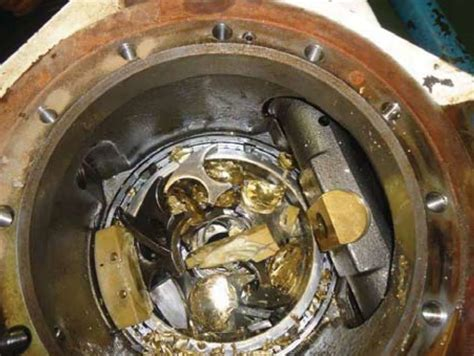
Preventing Hydraulic Pump or Motor Failure: Key Indicators & Maintenance
Hydraulic pump failure is typically a gradual process preceded by several clear warning signs. By monitoring for sluggish performance, unusual noises, overheating, or foamy fluid, operators can identify declining health early. Additionally, the presence of leaks, metal debris, or inconsistent pressure often signals that a pump requires immediate attention.
Addressing these symptoms early through a professional repair or rebuild prevents catastrophic system damage and costly downtime.
The Foundation of Reliability: Consistent maintenance remains the best defense against failure. You can ensure long-term performance in even the toughest conditions by prioritizing:
-
Contamination Control: Keeping hydraulic oil clean.
-
Routine Component Care: Regularly replacing filters.
-
Proactive Inspections: Scheduling frequent system check-ups.
Signs of a Failing Valve
-
Power Loss: Sluggish actuators or a total failure to respond, causing a major drop in productivity.
-
Erratic Movement: Dangerous jerking or unpredictable motions that make smooth control impossible.
-
Leakage: Fluid escaping through worn seals or spools; this wastes energy as heat and thins the oil.
-
Unusual Noise: Hissing, whining, or grinding sounds that signal internal stress or fluid restrictions.
-
Delayed Response: A noticeable "lag" between your commands and the machine’s reaction, often caused by internal debris or sludge.
-
Overheating: High temperatures caused by inefficient flow or internal bypass, which can damage the entire system.
-
Total Failure: Eventually, the valve stops working entirely, leading to expensive downtime and emergency repairs.